
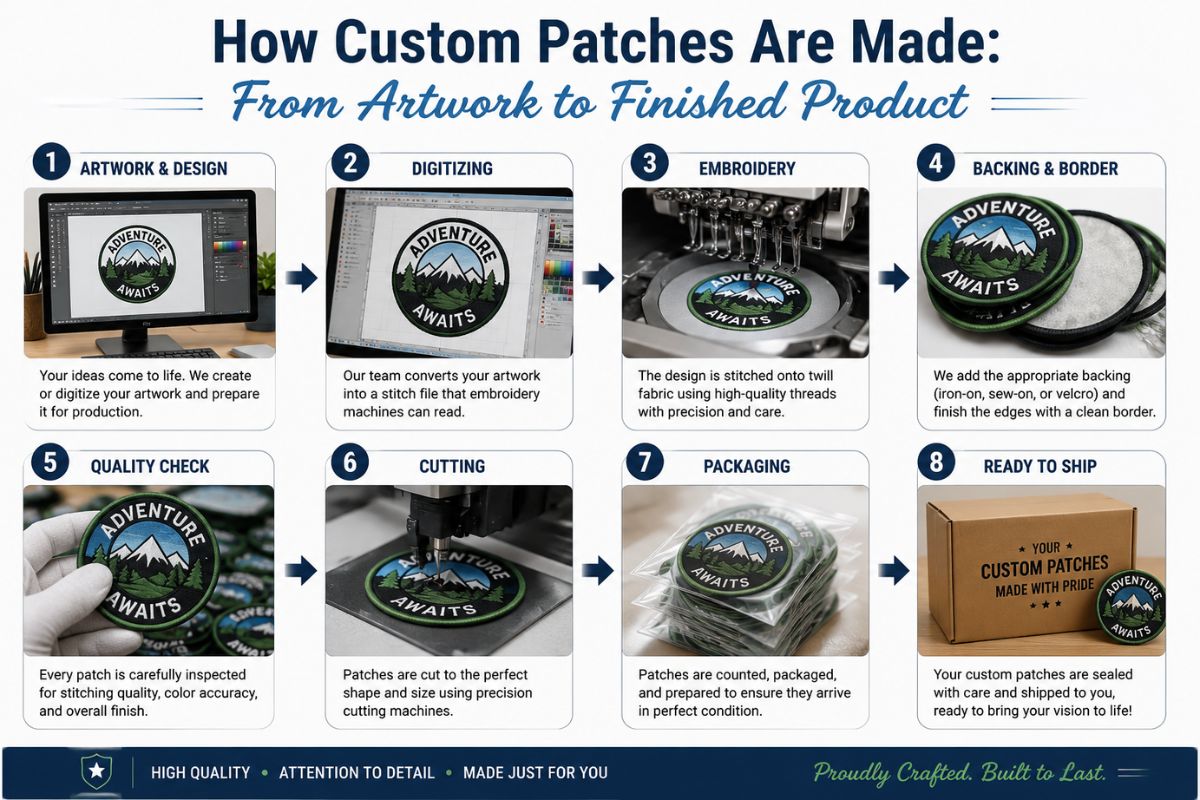
How Custom Patches Are Made: Step-by-Step Guide
Curious to learn more about the process used to create custom patches? Get a closer look at how art is converted to embroidery language, stitched on the durable fabric background, and finished with a neat merrowed edge.
Translating Initial Creative Ideas Into Machine-Ready Production Files
Did you ever spot a patch of colorful material on someone’s jacket, hat, or backpack and ask yourself, how is it possible to turn an image from the computer into something tangible? It’s quite fascinating how a logo or drawing is turned into a physical item that will last for a long time.
To turn an electronic picture into a real patch, you will need certain technical means, great skills, and attention to detail.
If you are planning to manufacture patches for your favorite sports club, your company, or your personal clothing line, it is important to know how patches are manufactured to produce better results.
Find out how threads and base materials can be transformed into good custom iron on patches.
Prepare Artwork That Delivers Cleaner Embroidery Results
The very first stage of the creation of a great fabric accessory includes having a visual design. However, an ordinary picture or graphics file is unable to be read by the embroidery machine.
The machine requires certain instructions that will show the way the threads will move, how thick the thread pattern should be, and what colors will be used in which order.
The first stage in the Custom Patch Manufacturing process involves making a digital replica of the visual design and creating certain computer files. In this way, all the smooth lines become the stitch pattern, satin stitches for the borders, and fill stitches for the background.
Proper digitization ensures that everything will be done right and there will be no stretching of the fabric in the final result.
Use Fabric That Is Durable For Daily Use
Once the digital artwork file has been completed, production specialists pick out the right base material for production purposes. The base material is the material where thousands of stitches of threads are sewn.
The most probable basis of heavy-duty twill fabric is that the fabric is durable, smooth, and does not fray at high speeds. Manufacturers use velvet, felt, or metallic materials that reflect light for particular designs.
In choosing quality base materials, one can rest assured that the patch will be able to retain its strength despite having been used frequently, subjected to the natural environment, and laundered several times.
Modern Embroidery Equipment Ensures Superior Design Accuracy
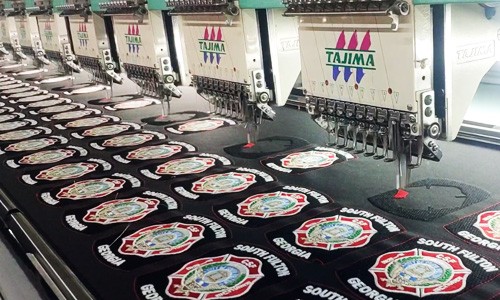
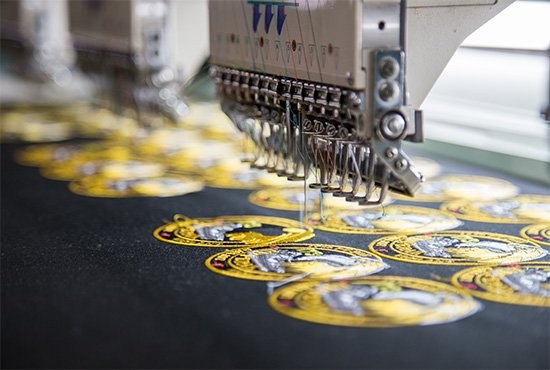
The actual weaving takes place when the file is digitized, and the base fabric is put in the holding hoops tightly. In automatic machines, more than one needle works at the same time, each carrying its own thread of a different color.
The machine works according to the instructions given in the digital form, sewing thousands of stitches in one minute. The quick needles work very fast, stitching the background first and then the outlines.
Using high-quality polyester or rayon threads creates vibrant colors that do not fade easily and add a natural shine to the design.
Deliver Consistent Quality Across Every Large Order
While making a batch of similar patches, it is important to have good equipment that can last. In modern factories, several heads work simultaneously and create identical objects without a single glitch during big order production.
During massive patch production, automatic systems constantly check the tension of the threads for the whole time to make sure that no loose or broken threads occur.
Operators constantly watch the machines, changing thread spools when colors change, and making sure that all elements are made visually impeccable.
With the perfect balance between automation and human supervision, the last 100th patch will be just as sharp and pristine as the first one from the machine.
Secure Attachment Options Improve Uniform Performance:
Once the front embroidery is completed, the raw material sheet is moved to the back area. For plain embroidered fabrics, a firm backing is needed to give the required shape, strength, and attachment of the fabric on the clothing.
The type of backing depends on the purpose for which customers want to wear the patches. Heat seal backing allows you to iron the patch directly on the shirts, while adhesive backing works just like a sticker and is useful only during occasions.
To ensure longevity and flexibility, a layer of either hook and loop fasteners or hard plastic seals is attached to the back of the suit with the help of hot pressing or some other mechanism, which ensures that the back surface is smooth and the stitches do not pull off.
Professional Edge Trimming Enhances Every Design
Once the backings have been completed, individual patches need to be cut from the master fabric sheet without damaging the backing. The way edges are cut is dependent on the design border style selected during planning.
A special overlock sewing machine, used for a traditional raised merrowed border, finishes the edge with a heavy thread that provides a thick protective finish.
Laser cutting systems use focused heat to cut around the boundaries of the shape when it is complex, such as sharp corners. With laser cutting, the edges of the fabric are instantly melted, and the threads are secured, eliminating the possibility of future fraying or unraveling.
Quality Checks Ensure Premium Patch Craftsmanship
The last part of the manufacturing process is entirely dedicated to quality assurance and fine, manual work. Trained inspectors test each finished product under bright lighting; even small thread tails can detract from a crisp logo.
The attention to detail is crucial all the way through the Patch Design Process, and in the end, inspectors use small scissors to cut off any stray threads, followed by sweeping any light manufacturing dust.
Upon approval, the patches are then collected, protected with a safe cover, and sent to clients. This comprehensive inspection guarantees that custom patches delivered are ready for pinning, ironing, or stitching to your uniforms, and that you can wear them with pride.
FAQs
What is the difference between embroidery and woven patches?
Embroidery patches use thick threads sewn to create a classic raised finish. Woven patches use extremely thin threads woven together to create a smooth flat surface capable of reproducing very tiny details and visual gradients.
What is the optimal backing to use on work uniforms?
Thick work uniforms will not suffer from stitches when using high-temperature commercial washing machines. Use sew-on backings to get a durable product. Hook and loop backings are very strong for frequent uniform replacements, allowing workers to easily transfer patches between coats and vests.
How does the artwork affect the output of stitches?
In case of good resolution and clear contours, it is easy to develop stitch paths digitally. However, a blurry picture requires interpretation, which may lead to simplification of the artwork details. High-quality artwork files guarantee an exact physical product based on your initial brand design.
Can custom patches withstand repeated washes?
Yes, polyester patches and strong backing material can withstand frequent washing and drying. However, hot dryers may cause iron-on patches to come off after some years; therefore, a couple of stitches along the border would hold it forever.
What does a digitized file mean in patch making?
A digitized file is a kind of digital file that translates an image into a set of instructions that are given to machines to perform certain actions in their manufacturing process. These instructions include the positioning of the needles, types of stitches used, thread layering, and cutting.
Conclusion
The process of transforming an artistic idea into a detailed textured patch is quite interesting and involves both advanced technology and traditional skill.
The printing and creation of digitally created images, choosing suitable base materials, the automatic sewing process, heat-seal backing, and laser trimming of the edges are all components of quality production.
Once you understand the connection between them, you will be able to create more efficient designs of your artwork and choose the right fastening options for your group.
Full-scale manufacturing will provide you with stunning and durable customized patches that will be a proud representation of your brand and your personality for many years to come.

Hi, I’m Emma Carter. I write about custom iron on patches, creative designs, and branding ideas. I enjoy sharing practical tips and simple guides to help businesses teams and individuals choose the right patches for their projects.